On Being Underestimated: Notes on The Gentlemen
Every man in that film is underestimated by someone in the first ten minutes and finishes the movie having made them regret it. That is the whole genre, done properly.

There's a genre of British crime film that lives or dies on one specific trick — letting every character look, for the first several minutes, like exactly what a lazier film would have made them permanently. The stoner looks disposable. The posh one looks soft. The retired gangster looks retired. Guy Ritchie's The Gentlemen spends its whole runtime proving that first impression was the joke, not the plot.
What makes it worth revisiting past the plot mechanics is the class commentary sitting quietly underneath the caper — old aristocracy and new money circling the same territory, each side certain the other doesn't understand how things are really done, both occasionally right. The film never explains this directly. It just keeps putting men who misjudge each other's competence in the same room and letting the misjudgment cost someone something.
Every man in that film is underestimated by someone in the first ten minutes and finishes the movie having made them regret it.
That structure — the quiet man mistaken for harmless, correcting the record without raising his voice to do it — is the entire appeal of the genre when it's done well, and most attempts at it get the tone wrong in one direction or the other. Too much menace and it stops being fun. Too little and there's nothing at stake when the correction finally lands.
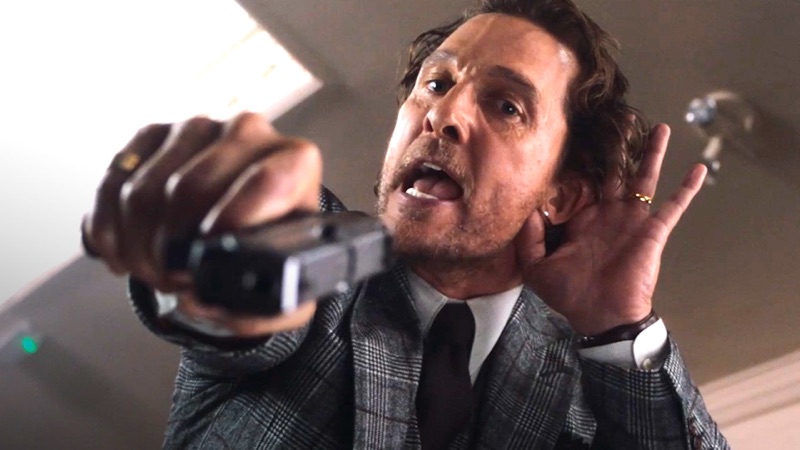
Ritchie's version threads that needle mostly by refusing to let anyone stay underestimated for long. The moment a character's real capability surfaces, the film moves on immediately instead of lingering on the reveal, which is a more confident choice than it sounds — it trusts the audience to have been paying attention instead of needing the point explained twice.
It plays on a screen here in a room built for exactly this kind of thing, the sort of space where a film gets watched at low volume with a drink in hand and half the room's attention, and it holds up fine under those conditions, which not every prestige crime picture manages. Some films need the theater's silence to work. This one is comfortable being the background to a good night, and comes forward when it earns it.
What sticks longest isn't any single twist. It's the reminder that being underestimated is not a weakness a man has to correct loudly — the correction can just as easily be a quiet accumulation of results, delivered so calmly the other party doesn't notice they've lost the argument until it's already over.