Karma Automotive, and the Case for a Badge Nobody Recognizes
Nobody at the valet stand knows the name. That is the point — the car is explaining something to the one person in the room who does.
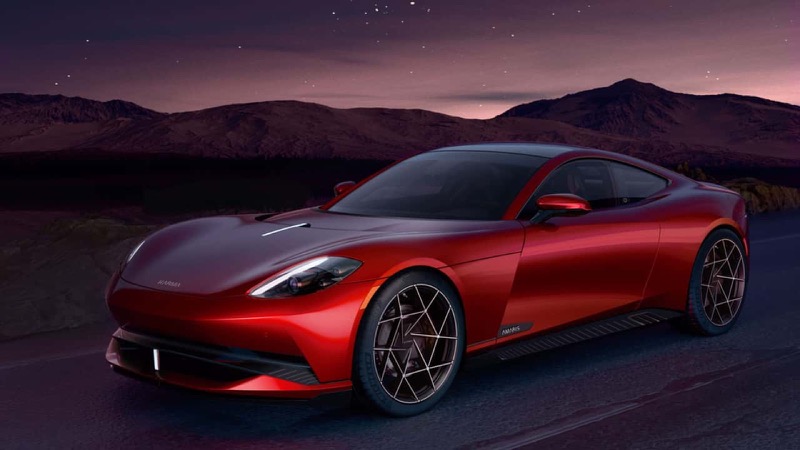
Karma Automotive builds cars that most valet attendants will misidentify on sight, and the company seems entirely at peace with that. It is not chasing the three-pointed star or the prancing animal, the badges that do half the talking before a driver ever gets out. It is betting that a smaller, more particular kind of recognition is worth more.
That bet says something specific about who the car is built for. A man who buys for the badge is buying an argument he expects to win before anyone examines the details — a shortcut through the whole conversation about taste. A man who buys a car almost nobody recognizes is making a different claim entirely: that he doesn't need the shortcut, and would rather the details do the convincing.
The car is explaining something to the one person in the room who does.
The extended-range electric architecture Karma has built its recent lineup around is itself a kind of quiet confidence — neither fully conceding to the range anxiety that scares buyers away from pure electric, nor pretending the internal combustion era isn't ending. It solves a real problem without making a spectacle of solving it, which is the same instinct visible in the design language: doors that open upward instead of a wing that announces itself from a block away, a silhouette that reveals itself slowly instead of all at once.
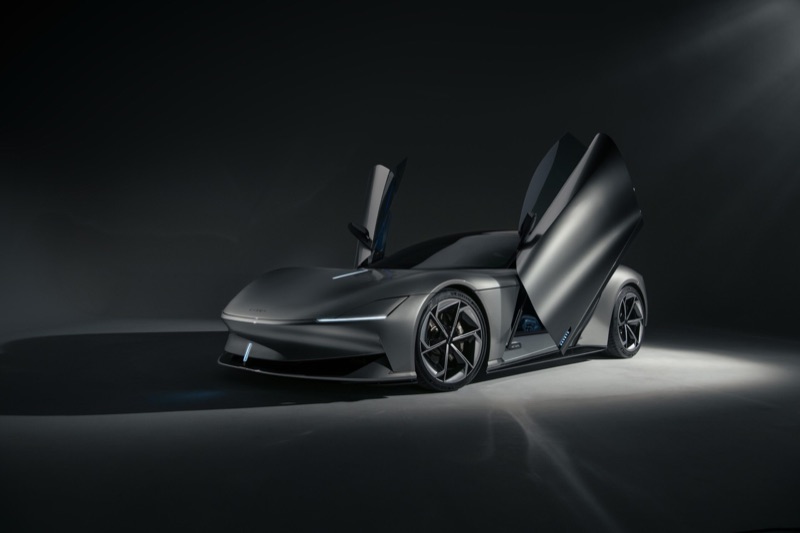
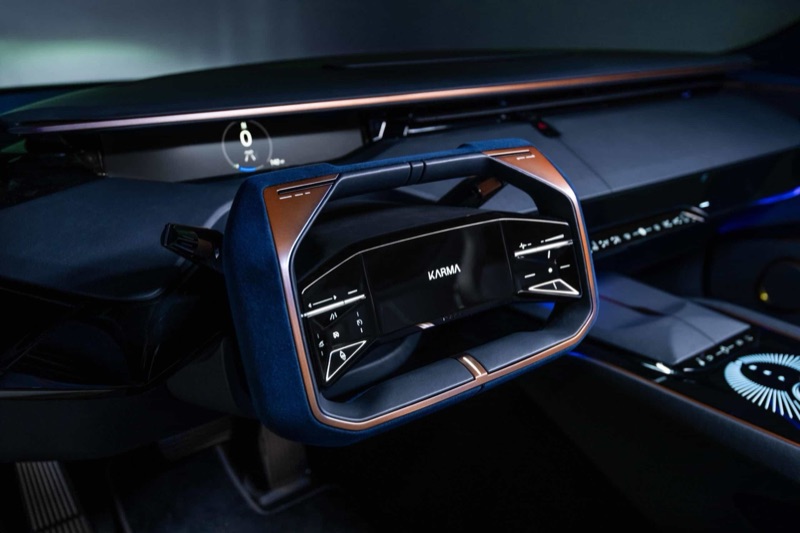
This is a harder sell than a recognizable badge, and Karma clearly knows it. The company is not competing for the buyer who wants applause at the valet stand. It's competing for the buyer who has already had that applause, decided it wasn't the point, and started looking for a car that agrees with him instead of performing for everyone else in the lot.
There is a risk in building for that buyer exclusively — a smaller audience, a slower path to the kind of scale that funds the next generation of the car. But it also means every unit on the road is doing something a mass-market badge cannot: it is starting a conversation instead of ending one, because the only way anyone learns what it is happens to be by asking the man standing next to it.
That's the actual value proposition, once you strip away the horsepower figures and the carbon fiber. Karma isn't selling a badge that does the explaining for you. It's selling the specific, quieter confidence required to own a car you'll have to explain yourself — and betting that the right buyer would rather have that conversation than skip it.